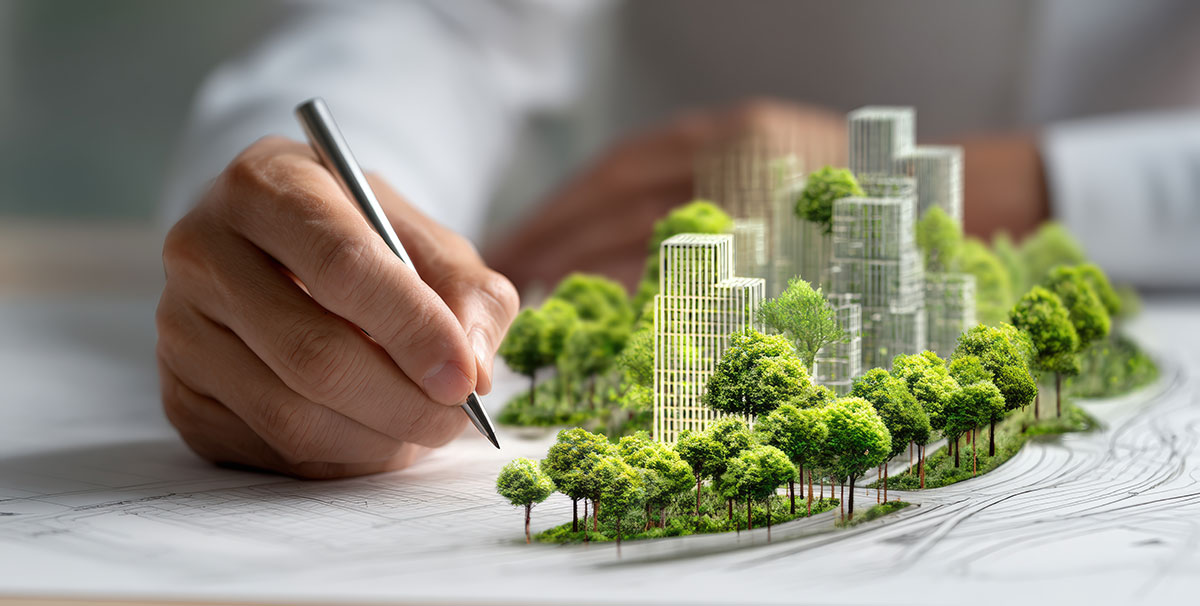
Streets are more than just a way to get from one place to another. They are the veins of a city, carrying people, ideas, and community life. In my career as an architect and urban developer in Indianapolis, I have witnessed the transformative power of walkable neighborhoods. Streets designed with people in mind do more than improve mobility. They foster connection, support local businesses, and strengthen community identity.
The Value of Walkability
Walkable neighborhoods are places where residents can safely and comfortably move on foot. They are designed with sidewalks, crosswalks, shaded streets, and human-scale architecture. Walkability is not just a convenience. It is a key factor in public health, environmental sustainability, and social cohesion.
Research shows that people who live in walkable neighborhoods are more physically active, experience lower stress, and have stronger social networks. When streets are designed for people rather than cars, communities thrive. Children can play safely, seniors can maintain independence, and neighbors are more likely to interact with one another.
Streets as Community Spaces
One of the most important aspects of designing streets for life is recognizing that streets are more than conduits for vehicles. They are public spaces. Streets can host farmers markets, festivals, art installations, and casual gatherings. They are where communities celebrate, connect, and engage with one another.
In Indianapolis, projects that prioritize walkability and streetscape improvements have transformed previously neglected areas into vibrant hubs. Tree-lined sidewalks, benches, and lighting not only enhance safety but also invite people to linger. When streets encourage people to stop and interact, neighborhoods gain a sense of vitality and identity.
Supporting Local Businesses
Walkable streets are also good for local economies. When people can easily walk to shops, restaurants, and services, foot traffic increases. Small businesses thrive, and the neighborhood benefits as a whole.
I have worked on developments where streetscape enhancements directly led to higher business occupancy and stronger local engagement. By creating spaces where people feel comfortable walking and spending time, cities invest not only in quality of life but also in economic resilience.
Safety and Accessibility
A walkable neighborhood is a safe neighborhood. Designing streets with wide sidewalks, proper lighting, and clearly marked crosswalks reduces accidents and encourages more people to walk. Accessibility for all residents, including those with mobility challenges, is a crucial part of the design.
Walkable streets also foster a sense of security. More people on the street creates natural surveillance, which helps prevent crime. The result is a community where residents feel comfortable and supported.
Green Infrastructure in Streetscape Design
Incorporating green elements into street design further enhances walkability. Street trees provide shade and improve air quality. Bioswales and rain gardens manage stormwater and reduce flooding. Landscaping softens the urban environment, making streets more inviting and enjoyable.
Green infrastructure also encourages longer stays and repeated visits. People are more likely to walk along streets that are visually appealing and comfortable. Thoughtful planting and design create spaces that are both beautiful and functional.
Encouraging Community Engagement
The best walkable streets emerge from collaboration between architects, city planners, and residents. Community input ensures that street design reflects local needs and priorities. When residents are involved, they feel ownership over the space, which encourages care and long-term maintenance.
Engagement can take many forms, including public workshops, surveys, and design charrettes. By listening to the people who use the streets every day, cities can create environments that truly support the community.
Long-Term Benefits
The benefits of walkable neighborhoods extend beyond immediate convenience. Streets designed for life improve mental and physical health, increase property values, reduce traffic congestion, and strengthen community identity. They encourage social interaction and foster a sense of belonging.
Walkable streets also prepare cities for the future. As urban populations grow and sustainability becomes increasingly important, neighborhoods that prioritize walking, biking, and public transit will be more resilient, adaptable, and attractive.
Conclusion
Designing streets for life is about more than aesthetics or function. It is about creating neighborhoods where people feel connected, safe, and invested in their community. Walkable streets transform the way residents experience their city. They provide opportunities for social interaction, support local businesses, and foster a sense of pride and belonging.
In my work as an architect and urban developer, I have seen the profound impact of streets designed for people. Every sidewalk, tree, bench, and crosswalk is a small piece of a larger vision: a city that prioritizes human connection, community identity, and long-term resilience.
Walkable neighborhoods are not just a design choice. They are an investment in the life and future of the community. They show that when we prioritize people over vehicles, cities become stronger, healthier, and more vibrant.